Source Plastic Condiment Storage Cup Organizer for Coffee, Kitchen, and Cosmetic Use
Find 30 listings for the plastic condiment storage cup organizer designed for coffee accessories, sundries, and cosmetic storage. Buyers can compare models like 956628 and 1604, varying sizes, and customization options from suppliers in China.
Key considerations
Products List
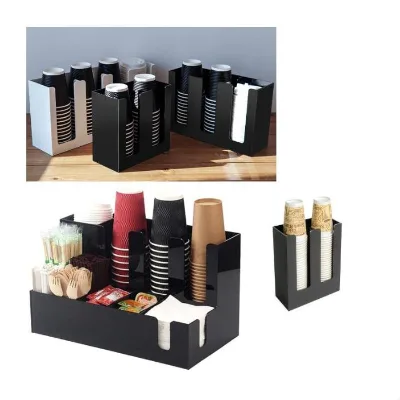


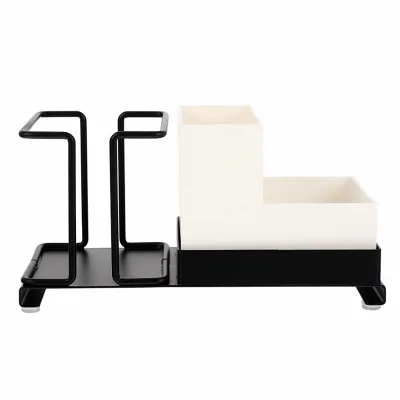


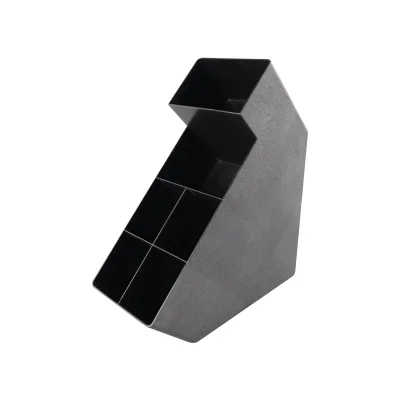


Comprehensive Sourcing Guide
Strategic Sourcing Guide for Plastic Condiment Storage Cup Organizers
The global demand for efficient kitchen organization has elevated the plastic condiment storage cup organizer from a simple utility item to a critical component in modern food service and retail environments. For B2B procurement professionals, sourcing these units requires a disciplined approach that balances material integrity, functional design, and supply chain reliability. The market offers a diverse array of options, ranging from single-item PP plastic holders to modular storage systems designed for industrial food applications. This guide provides a comprehensive framework for evaluating suppliers and selecting products that meet rigorous operational standards without relying on unverified claims or speculative data.
Material Composition and Technical Specifications
The foundation of any reliable plastic storage solution lies in its material composition and adherence to specific technical specifications. In the current market, Polypropylene (PP) plastic emerges as the dominant material for condiment organizers. This choice is driven by PP's inherent resistance to moisture, chemicals, and temperature fluctuations, making it ideal for environments where food safety is paramount. Procurement teams must verify that the material is explicitly identified as PP plastic, as this ensures compatibility with food-grade standards. The product attributes observed in current listings indicate a strong preference for "Food" industrial use, confirming that the intended application involves direct or indirect contact with consumables.
Beyond the base material, the physical specifications of the organizer dictate its utility. Dimensions are often customizable, with specific models ranging from compact units to larger storage bins. Buyers should note that while some units are designed as single items, others may be sold in sets, such as 3-5 piece configurations, which can influence packaging and logistics costs. The shape of the organizer is equally critical; rectangular and square profiles are common, offering efficient use of shelf space and stability. Whether the product is a "Kitchen Rack," a "Water Cup Holder," or a general "Storage Box," the structural integrity must support the weight of the contents without deformation. Additionally, the condition of the product must be verified as "New," ensuring that no prior wear or damage compromises the item's lifespan.
Functional Design and Application Versatility
The functional design of a plastic condiment storage cup organizer extends beyond simple containment; it encompasses ease of use, accessibility, and integration into existing workflows. A key feature to evaluate is the disassembly capability. Some models are designed with "Disassembly" in mind, allowing for easier cleaning, repair, or modular expansion, while others are "Undisassembly" units, offering a more robust, permanent structure. The choice between these depends on the specific operational needs of the buyer. For instance, a high-volume restaurant might prefer a disassemblable unit for deep cleaning, whereas a retail display might benefit from a solid, undisassembly design to prevent tampering.
The application scope is broad, covering "Coffee Accessories Storage," "Cosmetic Storage," and general "Sundries" organization. This versatility suggests that the product line is not limited to a single niche but can adapt to various storage requirements. The "Modern" and "Countryside Style" design options indicate that aesthetic considerations are also part of the procurement equation. Buyers must align the style of the organizer with the brand identity of their end clients or the interior design of their facilities. Furthermore, the capacity of these units, often ranging from 1000 to 2000ml, provides a quantifiable metric for storage volume, allowing buyers to calculate the number of units required for specific inventory levels. The ability to customize the logo is another significant functional advantage, enabling brands to reinforce their identity directly on the storage unit.
Compliance, Certification, and Food Safety Standards
Ensuring compliance with food safety regulations is non-negotiable when sourcing plastic storage solutions for the food industry. While specific certification names are not universally standardized across all listings, the "Food" industrial use designation implies a requirement for materials that do not leach harmful substances into food products. Buyers must rigorously verify that the PP plastic used meets relevant international and local food safety standards. This includes checking for compliance with regulations such as FDA (United States), LFGB (Germany), or EU Framework Regulation (EC) No 1935/2004, depending on the target market.
The "Good quality" advantage noted in product descriptions is a qualitative claim that must be substantiated through objective testing. Procurement teams should request documentation regarding the material's migration limits, specifically for heavy metals and organic compounds. Additionally, the "Customizable" nature of the product standard suggests that suppliers may offer tailored compliance solutions. Buyers should not assume that all listed models automatically meet every regional standard; instead, they must explicitly request test reports or certificates of analysis for the specific model number, such as 956628, 1604, or 1590, to ensure that the specific batch being ordered adheres to the required safety protocols. The absence of specific certification data in general listings necessitates a proactive verification process before finalizing any purchase order.
Cost Drivers and Pricing Dynamics
Understanding the cost drivers behind plastic condiment storage cup organizers is essential for effective budget management. The observed price range in the market spans from $0.19 to $32.15 USD, a variance that reflects differences in material quality, customization levels, and order volume. Several factors influence where a specific product falls within this range. Customization is a primary driver; products with "Acceptable" or "Customized" logos, specific colors like "Black" or "White," and tailored dimensions will command a higher price than standard, off-the-shelf units. The "Carton" or "Box" packing method also impacts costs, as specialized packaging for fragile or high-value items adds to the overall expense.
Minimum Order Quantity (MOQ) is another critical cost determinant. The market shows an MOQ range from 1 to 5000 units, with a specific observation of 100 PCS for certain models. Buyers must balance the need for inventory against the capital outlay required to meet these thresholds. While a low MOQ of 1 allows for sampling and small-batch testing, it often comes with a higher unit cost. Conversely, larger orders can leverage economies of scale to reduce the per-unit price. The "Selling Units" being listed as "Single item" suggests that the base price is for individual units, but bulk purchasing agreements can significantly alter the financial structure. Buyers should also consider the "Delivery Time" of 15-30 days, as expedited shipping options or rush orders may incur additional premiums.
Supplier Evaluation and Geographic Considerations
When evaluating potential suppliers, geographic origin plays a significant role in logistics and supply chain resilience. The majority of the observed products originate from "Guangdong, China" and "Jiangsu, China," two major manufacturing hubs known for their plastic processing capabilities. Guangdong is particularly renowned for its export-oriented manufacturing sector, while Jiangsu offers strong industrial infrastructure. Buyers should verify the specific "Place of Origin" for each supplier to ensure alignment with their logistical preferences and trade compliance requirements.
Supplier reliability is further assessed through their ability to handle customization and maintain consistent quality. The availability of "Customization" and "Customized" options indicates a flexible manufacturing process. However, buyers must scrutinize the supplier's track record regarding the "Condition" of the product and the consistency of the "Style." A supplier offering both "Modern" and "Countryside Style" options demonstrates design versatility, but the buyer must ensure that the quality control processes remain consistent across different design lines. The "prod_model" numbers, such as 1584, 1585, 1590, and 1686, serve as unique identifiers for these variations. Buyers should request samples of specific model numbers to verify that the physical attributes match the digital descriptions before committing to large-scale orders.
Quality Control and Long-Term Procurement Strategy
Implementing a robust quality control (QC) strategy is vital for mitigating risks associated with plastic storage products. Given the "Good quality" claim, buyers should establish clear acceptance criteria based on the product's physical attributes. This includes verifying the "Shape" (Rectangular or Square), checking for structural defects, and ensuring the "Color" matches the specified "Black" or "White" without discoloration. The "Weight" being "Customizable" adds a layer of complexity to QC; buyers must define the acceptable weight tolerance for each order to prevent under-filled or over-weight units that could affect shipping costs or structural integrity.
Long-term procurement considerations involve building a sustainable relationship with suppliers who can scale with demand. The "Delivery Time" of 15-30 days provides a baseline for inventory planning, but buyers should negotiate lead times that accommodate peak seasons or unexpected demand spikes. The ability to customize the "prod_standard" and "prod_packing" suggests that suppliers are capable of adapting to changing market needs. However, buyers must ensure that these customizations do not compromise the "New" condition of the product or the "Food" safety compliance. Regular audits and sample testing should be part of the ongoing procurement strategy to maintain high standards. By focusing on these technical and operational details, buyers can secure a reliable supply of plastic condiment storage cup organizers that meet both functional and regulatory requirements.
Comparative Analysis of Product Attributes
To facilitate decision-making, the following table summarizes key attributes observed in the current market, highlighting the variability buyers must navigate.
| Attribute | Observed Variations | Procurement Consideration |
|---|---|---|
| Material | PP Plastic | Verify food-grade certification; check for chemical resistance. |
| Color | Black, White | Confirm colorfastness and consistency across batches. |
| Shape | Rectangular, Square | Assess shelf compatibility and stacking efficiency. |
| Disassembly | Disassembly, Undisassembly | Determine cleaning requirements and maintenance needs. |
| Origin | Guangdong, Jiangsu, China | Evaluate logistics costs and lead time reliability. |
| MOQ | 1 to 5000 PCS | Balance inventory costs with minimum order thresholds. |
| Customization | Logo, Size, Standard | Define scope of customization to avoid production delays. |
| Application | Coffee, Cosmetic, Food | Ensure material suitability for the specific end-use. |
This structured approach to sourcing ensures that buyers can navigate the complexities of the plastic storage market with confidence, focusing on verified facts and practical operational needs rather than speculative claims. By adhering to these guidelines, procurement professionals can secure high-quality, compliant, and cost-effective solutions for their organizational storage requirements.
FAQs
What material is used for the plastic condiment storage cup organizer?
The organizer is made from PP plastic, which is suitable for food applications. This material offers resistance to moisture and chemicals, ensuring durability for kitchen storage needs.
Can I customize the logo on the plastic condiment storage cup organizer?
Yes, logo customization is available for this product. Buyers can request specific branding to be applied to the organizer to match their corporate identity or retail requirements.
What is the minimum order quantity for the plastic condiment storage cup organizer?
The standard minimum order quantity is 100 pieces for this model. However, the market range extends from one to five thousand units depending on the specific supplier and customization level.
How long does it take to deliver the plastic condiment storage cup organizer?
The typical delivery time ranges from 15 to 30 days after order confirmation. This lead time allows for production and quality checks before shipping from the manufacturing origin.
Where are the plastic condiment storage cup organizers manufactured?
These products originate from manufacturing hubs in Guangdong and Jiangsu, China. These regions are known for their plastic processing capabilities and export-oriented production infrastructure.
What shapes are available for the plastic condiment storage cup organizer?
The organizer is available in rectangular and square shapes to suit different storage layouts. These geometric profiles are designed to maximize shelf space and ensure stability during use.